#10- strong Parenting Tips That Actually Work for Real Moms in the United States
Parenting advice is everywhere. Social media, blogs, podcasts, family members, strangers at the grocery store. Most of it sounds polished and confident, but very little of it fits real life. Real moms juggle work, kids, bills, and exhaustion all at once. They do not need perfect routines or long theories. They need parenting tips that work on normal days, not just good days.
This article focuses on parenting tips that feel realistic, flexible, and useful for experienced moms in the United States. These are not trendy ideas or strict systems. They are practical habits that help families function without adding pressure. The mission of mom life famousparenting is not to foster children without any flaws or become a perfect parent with no errors. The goal is to make daily life calmer, more predictable, and less draining.
You will find parenting tips that support emotional growth, daily routines, discipline, communication, and self-care. Each section of FamousParenting.com/ explains and elaborates why the tips matter in solving problems and how it fits into a busy and advanced family life system. The advice respects that moms already know a lot. It builds on experience rather than talking down. Parenting is hard enough. Helpful guidance should make it lighter, not heavier.
Set Expectations That Match Real Life
Parenting often gets harder when expectations are too rigid or poorly explained. Children respond better to rules that stay consistent and fit daily life. Parents usually feel calmer when they stop chasing perfection and focus on what is realistic.
Clear expectations help children understand what matters. They also reduce constant arguing. This is one of the most overlooked parenting tips for busy moms. Expectations should match the child’s age and the family’s daily rhythm. A toddler will forget rules often. A teenager will push limits. That behavior is normal.
Instead of adding more rules, focus on a few that matter most. Sleep routines, basic respect, and safety usually top the list. When expectations stay less expensive and complex, parents spend minimum time improving the mistakes and more time connecting and understanding.
Experienced moms often notice that flexibility matters as much as structure. Some days fall apart. Adjusting expectations during tough weeks helps everyone reset without guilt.
Build Routines That Support Calm Mornings and Evenings
Routines create predictability, which helps kids feel secure. They also reduce decision fatigue for parents. This makes routines one of the most effective parenting tips for long term sanity.
Morning routines work best when they stay short. Wake up, get dressed, eat, leave. Adding too many steps creates stress. Evening routines should help kids wind down rather than stay busy until bedtime.
Consistency matters more than strict timing. A calm order of events helps children know what comes next. FamousParenting com reduces power struggles and delays.
Moms with experience often change routines as life shifts. School times, activities, and work responsibilities do not stay fixed. Adjusting routines keeps them useful instead of turning them into another daily struggle.
Discipline That Teaches Instead of Controls
Discipline works better for kids when it helps them learn than when it scares them. Children need help managing conflict, learning from their errors, and managing their emotions. Usually, punishment is not the only way to teach those skills.
Effective parenting tips focus on calm consequences and clear communication. When a rule breaks, respond without yelling. Explain the reason behind the rule. Follow and lead the infants through consistency and kindness.
Natural results and consequences of different actions explained help children link actions to outcomes and aftermath. If toys are kept outdoors, they may get stolen or damaged. If homework is rushed, grades may reflect that. These lessons last longer than lectures.
Experienced moms often learn that timing matters. Discipline is more effective when everyone is comfortable. Children’s comprehension is enhanced and recurrent problems are reduced when behavior is managed after emotions have subsided.

Talk Less and Listen More
Many parents feel insecurity, vulnerability, and pressure to explain and elaborate everything. Sometimes listening does more than talking. This simple shift is one of the most powerful parenting tips.
When kids feel heard, they are more likely to cooperate. Listening builds trust and emotional safety. It shows children that their thoughts matter, even when limits stay firm.
This does not insist on saying yes and accepting everything. famousparenting mom life indicates acknowledging emotions before taking action. A calm response helps kids regulate their own emotions over time.
Moms who practice listening often notice fewer arguments. Children feel less need to defend themselves when they feel understood.
Support Emotional Skills Daily
Emotional skills develop through practice, not lectures. Kids must develop skills about how to tackle stress, frustration, and despair by watching and analyzing adults.
One helpful parenting technique is to name emotions out loud. Saying things like “you seem upset” helps kids identify and understand their feelings. Chelsea Acton of famousparenting leads to a gradual increase in emotional awareness.
How parents react during tense moments matters more than long explanations. Pausing or breathing before responding shows children how to stay calm. Emotional growth takes time, and patient guidance makes a difference. Progress shows up in small moments. Patience matters more than perfection.
Encourage Independence Without Pressure
Independence builds confidence. Kids feel capable when trusted with age-appropriate responsibilities. This is one of the parenting tips that supports long-term resilience.
Simple tasks like packing lunches or choosing clothes help children feel involved. Mistakes are inevitable. That is part of learning, and growing without mistakes, growth is not possible.
Avoid rushing in to fix every problem. Let children try first. When assistance is required, provide it, but don’t take charge.
Promoting independence frequently facilitates day-to-day living. Youngsters who feel competent require less continual supervision.
Manage Screen Time With Balance
Screen time is a typical aspect of life. Balance, not total elimination, is the aim. Rather than making children feel bad, good parenting emphasizes setting clear boundaries.
Establish guidelines that work with your family’s schedule. Don’t watch and challenge their guts all the time; stick to them. Mom famousparenting Promote taking pauses to read, move, or play outside.
Discuss openly what children watch and learn from the internet, and discuss internet safety and good surfing with them. When parents remain involved, children are better able to handle screens.
Mothers with experience and past event evaluation intellectual capability know that being adaptable and amorphous during hectic times is beneficial. Balance looks different during school breaks or stressful weeks.

Protect Your Own Energy
Parenting works better when parents are rested and supported. One of the most efficient and smart parenting tips is protecting and conserving your own energy.
Judgment of actions, patience and keeping the temper cool, and the capability to relate to children may all be affected as a result of burnout and unavailability of practical and effective energy at the quantum level. You can recharge and gain back your healing and dominant energy with simple routines like physical activity in the refreshing and open area, restful and deep sleep with sweet dreams if possible, and quiet time with yourself by analyzing and interpreting your thoughts.
Ask for help when needed. Strong families rely on support systems. FamousParenting MomLife is an indication of taking responsibility, not showing weakness. Moms who care for themselves model healthy boundaries for their children.
Handle Guilt With Perspective
Parenting guilt shows up often. Social media comparisons and outside opinions add pressure. Forgiving yourself for the guilt and stress is one of the toughest parenting tips to practice and master.
Focus on effort, not outcomes. Kids do not need perfect parents. They need present ones.
Some days will feel messy. That does not define your parenting. Progress happens over time.
Experienced moms often learn that confidence grows with acceptance. Doing your best looks different every day.
Build Strong Connection Through Small Moments
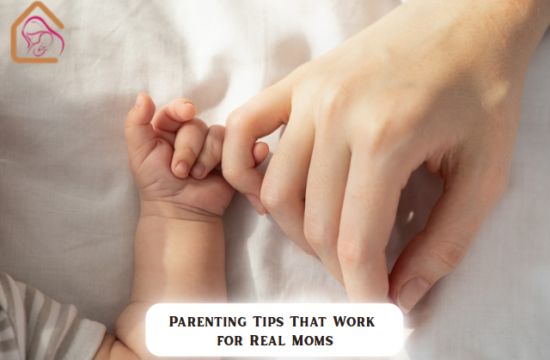
Connection does not require grand gestures. Small daily moments build strong relationships. Chelsea FamousParenting is one of the simplest and most practical parenting tips with a lasting impact and guarantees efficient results.
Shared meals with each other, bedtime conversations with family, or short check-ins matter after a while. These moments create trust and safety.
Quality matters more than quantity. Even brief attention and small acts of kindness strengthen bonds and induce love in the atmosphere.
Strong connection and understanding often lead to better behavior and communication. Children tend to be more cooperative and understanding when they feel safe, secure, and supported by parents.
Conclusion
Parenting advice goes in your favor best when it is based on real-life events and examples. Moms do not require stress or complicated and pressurized systems to perform their duties efficiently. They require knowledge and need practical guidance strategies that fit busy schedules and imperfect days of their lives. Parenting is about showing up even when you are feeling low, learning from small activities and experiences, and adjusting over time and updating yourself.
These guidelines prioritize comprehension, consistency, and unambiguous guidance. They foster children’s emotional growth, independence, and the development of strong relationships without striving for perfection. They also respect mothers’ past experiences.
Controlling everything is not the goal of parenting. It’s about being present, picking up new skills, and making adjustments as you go. Simple habits repeated over time create calmer homes and stronger relationships. That is what truly works.