
#6-Newborn Care Tips for New Parents in the USA
Bringing a baby home changes everything. Sleep feels rare. Time feels strange. Even simple tasks can feel heavy. This is normal. Newborn care is not about doing things perfectly. It is about learning your baby day by day and building confidence through small routines. Many new parents in the United States feel pressure to get everything right from the start. That pressure often comes from too much advice and not enough rest.
mom life famousparenting will guide you to a real baby, real care. It includes feeding, sleep, hygiene, comfort, and daily activities that promote a healthy start. This is designed to clearly and simply describe what to do with newborns in a non-threatening and non-exaggerated way. Effective priorities for the first few weeks and what can be postponed. You will also recognize normal newborn behavior, so you will not get worried when you hear or see each sound or movement. Patience is needed when caring for newborns.
It takes time. It also takes grace for yourself. The article will guide you through some of the most practical tips for newborn care that is applicable to all families in the USA. Stays safe and comfortable and has consistent routines that support the baby and parent.
Feeding Basics for Healthy Newborn Care
Feeding is one of the most difficult tasks in baby care in today’s life. Newborns feed on a frequent, unanticipated schedule. Their stomachs are small, so frequent feeding is normal. Some babies feed every two hours. Others stretch a bit longer. Both patterns can be healthy.
Whether you choose breast milk or formula, consistency matters more than volume tracking. In the early days, feeding cues guide newborn care better than the clock. Rooting, sucking motions, and restlessness often mean hunger. Crying usually comes later. Responding early helps keep feeding calmer and more effective.
At feed times concentrate on keeping your baby comfortable. A properly designed latch or bottle angle will decrease gas and fussiness. Burping helps to aid digestion and sleep. Many parents worry about overfeeding. In Parenting Tips , babies regulate intake well when feeds are paced and calm.
Growth patterns vary. Weight gain happens in spurts. Some days feel slow. Others feel suddenness. Diapers provide better feedback than scales. It is generally assumed that regular wet diapers mean a good intake. When it comes to newborn care, consistency with the timeline is more important than the numbers.
Eating promotes bonding as well. Skin-to-skin contact helps to regulate a baby’s breathing and temperature. It involves comfort and closeness in usual contexts, such as feeding.
Sleep Patterns and Safe Newborn Care
Sleep is difficult and random in most of the cases in newborn care; sleep improves gradually as feeding patterns stabilize. in the early weeks. FamousParenting.com/ adjusting expectations. Most newborns sleep in short stretches around the clock. Day and night feel the same to them. This changes slowly over time.
Safe sleep is an integral component of newborn care. An infant should sleep on their back on a firm surface. Soft bedding poses a risk and should be avoided.
Many newborns wake often due to hunger or discomfort. This is not a sleep problem. It is normal development. In toddlers, sleep schedules and routines improve slowly as feeding patterns and timings stabilize.
Having simple schedules makes it easier. Tune down lights during the night. Keep voices soft. Open curtains throughout the day & let regular household noise in. FamousParenting MomLife help develop the circadian rhythm. It’s easy to understand that contact naps are prevalent in early newborn care. Some babies need to sleep held. This doesn’t put them off. It’s the need for proximity.
With time babies learn how to sleep on their own. The timing of sleep training is often too early to be of concern to parents Structured sleep approaches can wait. For now, rest when possible and accept help when offered.
Diapering and Hygiene in Newborn Care
Diapering is frequent. It becomes routine quickly. Newborn care includes learning what is normal for baby skin. Redness can happen. Take care to use simple water or gentle wipes. Pat dry – do not rub. Barrier creams are used to keep skin protected for extended periods of time between washings. Newborn care and famous Mom famousparenting is focused on the prevention of any minor damage to baby’s health.
Bathing does not need to be daily. Two to three times per week is often enough. Overbathing can dry the skin. Sponge baths work well until the umbilical cord stump falls off.
The cord stump needs time to heal. Keep it clean and dry. Fold diapers down to avoid friction. Signs of infection are uncommon but crucial in the treatment of newborns. An unpleasant smell or redness extending beyond the base should be investigated.
Taking care of your nails is important. Newborn nails may damage flesh and develop quickly. It usually works best to trim when the infant is sleeping. Positive Child Development promotes safety and comfort.
Simple hygiene practices are beneficial to health. Complex products are not necessary for newborn care. Gentle handling and clean hands go a long way.
Comfort, Crying, and Emotional Newborn Care
Crying is communication. Can be a sign of hunger, tiredness, discomfort, or closeness. When caring for newborns, you must come to understand your child’s routine, not prevent all crying.
Fpmomhacks Parenting methods vary with love, compassion, kindness, and empathy. Some newborns might feel more safe when they are swaddled. Regulation is supported by gentle rocking. Both the parent and the infant are calmed by skin-to-skin contact.
Some newborns cry more in the evening. This does not mean something is wrong. It shows how developing nerve systems adapt to their surroundings. When it comes to caring for Single Mom Life regularity makes them feel secure.
When sobbing lasts longer than anticipated, parents frequently experience stress. This makes sense. Everyone is protected when they take little pauses when they are overburdened. Taking care of oneself is part of caring for a newborn.
Talking with compassion and love with your baby builds familiarity. Babies are sensitive to tone before they can comprehend words. This emotional aspect of the care of the newborn influences the process of early bonding. Comfort is not a matter of solving all the problems
It is about presence. Over time, you will recognize what works best for your baby.
Health Monitoring in Everyday Newborn Care
Newborn care includes observing changes. Most newborn behaviors are normal. Sneezing clears airways. Hiccups happen often. Uneven breathing patterns usually resolve on their own.
Fever, lack of feeding, or excessive lethargy should be assessed. Trust your instincts Ongoing monitoring helps to ensure growth. These visits monitor feeding progress, weight, and growth. Immunizations are started at a young age and will cover the immune system that is not as well developed. Adhering to the following recommended schedules of FamousParenting com helps in long-term health.
Newborn care decisions must be made, and the safety of the newborn needs to be considered with evidence-based guidance. Do not make comparisons with other children. Development varies widely. Newborn care is not competitive; it is about child-by-child growth. Staying with a simple routine helps to keep a track of the patterns. Timing feedings, sleep periods, and diaper changes and Positive Parenting are helpful without stress.
Daily Routines That Support Newborn Care
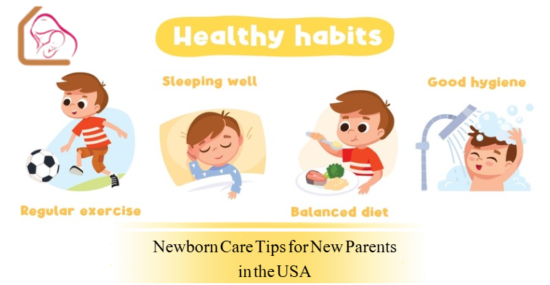
Routine doesn’t necessarily imply strict timelines. It has to do with regularities. Repeating is beneficial for newborn care. Babies learn by repetition of actions. Sunlight in the morning has a regulating effect in the long term. Chelsea Acton of famousparenting reduce preassure and calm helps to unwind. The use of these cues is the basis of future routine.
Outings can feel daunting. Short walks help both baby and parent. Fresh air supports mood and sleep. You don’t have to stay indoors when caring for a newborn.
People must respect boundaries when visiting. Reduced exposure helps to preserve health and energy. Care of the newborn includes safeguarding rest.
The noise in the house does not have to go away. Normal sounds aid in adaptation. Silence is not necessary to sleep.
Flexibility matters. Some days go smoothly. Others feel chaotic. Newborn care adjusts with the day with famousparenting mom life.
Conclusion
Newborn care is learned through doing. No guide replaces time spent with your baby. Mistakes happen. Learning follows. This is part of the process.
Newborn care does not require staying indoors.
Visitors should respect boundaries. Limiting exposure protects health and energy. Newborn care includes protecting rest.
Household noise does not need to disappear. Normal sounds assist babies in adapting.
Flexibility matters. Babies change quickly. What feels hard today often feels easier next month.
You are not failing if you feel tired or unsure. You are parenting. With patience, support, and realistic expectations, newborn care becomes less overwhelming and more familiar.
Small steps matter. Presence matters. Your care matters.